Pool Screen Enclosure Website Design: How to Pick the Best Website Option for Your Business
If you sell pool screen enclosures, your website has one job above all else: turn interest into calls, form submissions, and booked estimates.
That sounds obvious, but a surprising number of contractor sites miss it. They look decent at a glance, yet they bury the phone number, load awkwardly on a phone, show outdated photos, or force visitors to hunt for basic answers. A homeowner who needs a new enclosure, a rescreen, or a repair does not want a digital scavenger hunt. They want proof that you do solid work, serve their area, and can be reached fast.
That is why pool screen enclosure website design is not really about decoration. It is about trust, clarity, and conversion.
I have seen the same pattern across other trades too, whether it is concrete coating website design, epoxy flooring website design, dock builder website design, mold remediation website design, home remodeling website design, or flooring contractor website design. The companies that win online are usually not the ones with the flashiest sites. They are the ones whose sites make the next step easy.
For a pool screen enclosure company, that next step matters even more because customers often arrive with a specific problem. Their lanai enclosure is damaged. Their screen is torn. They want a larger enclosure for a remodeling project. They are comparing a few local companies quickly, often from a phone. If your site creates friction, they do not stick around and admire your branding. They leave.
So the real question is not whether you need a website. You do. The better question is which website option fits your business best, your budget, and your appetite for managing it.
What a good contractor website is supposed to do
A contractor website should support customer tasks. That is the standard worth using.
Can someone tell what you do within a few seconds? Can they find your contact information without scrolling in circles? Does the site work well on mobile? Is the content current? Can a visitor move from curiosity to action without confusion?
Those basics sound simple, but they carry most of the weight. Google has long emphasized keeping business content current, making the site mobile friendly, and showing contact information prominently. Those are not technical niceties. They are trust signals. If a homeowner finds stale information, old promotions, or a clumsy mobile layout, confidence drops fast.
For pool screen enclosure website design, this usually means the site should help a customer answer practical questions quickly. Do you build new enclosures, handle repairs, offer rescreening, or all three? What service area do you cover? What should a customer do to request a quote? How do they contact you right now?
A beautiful site that fails at those basics is still a weak business tool.
Why pool screen enclosure companies need a different approach than generic small businesses
Not every local business needs the same website structure. A restaurant website is not a law firm website, and neither of those behaves like a contractor site.
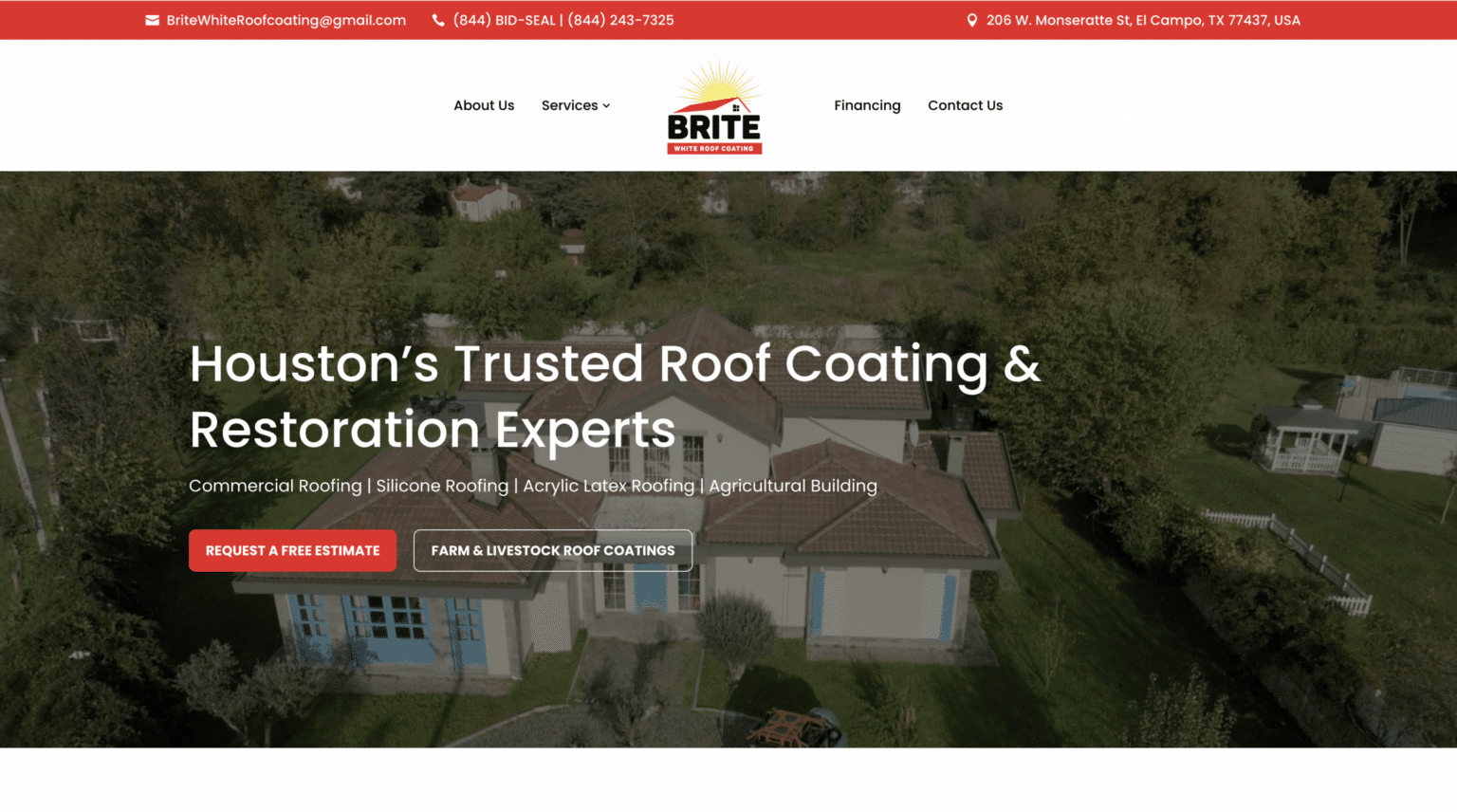
Pool screen enclosure companies live in a visual, trust-based category. Customers want to see work. They want to picture the finished result in their own backyard. They also want reassurance that you are organized, reachable, and experienced enough to complete a sizable exterior project.

That means your site needs more than a logo and a contact form. It needs enough substance to move someone from browsing to believing.
It also means that a website built for a generic small business may not fit the way your customers buy. A homeowner comparing enclosure contractors usually scans for credibility cues. They are asking themselves whether your company looks established, whether the site feels current, and whether contacting you will be easy.
That is the same dynamic behind successful contractor website redesign projects. Companies rarely redesign because they are bored with their colors. They redesign because the old site is not helping them close work anymore.
The four website paths most contractors consider
When owners ask how much does a contractor website cost, they are usually hoping for a single number. There is no single right price because cost depends on design, functionality, features, and ongoing maintenance. The path you choose shapes the price as much as the site itself.
Here are the main options most contractors weigh:
- DIY website builders, which are usually the most budget-friendly path.
- Freelancers, who can help with design, setup, and custom touches.
- Agencies, which are a better fit when you need broader strategy, development, or more complex functionality.
- Managed website for small business services, which bundle the site with hosting, updates, security, backups, and support.
Each option can work. Each comes with trade-offs.
A DIY site is often the cheapest way to get online. That can be perfectly reasonable if your main goal is a credible presence with basic lead capture, strong contact details, and mobile usability. If your company is new or your budget is tight, the best website builder for contractors may be good enough to get momentum.
A freelancer can be a step up when you want a more polished look or https://tradewebguide506.fotosdefrases.com/how-contractors-can-use-business-hours-phone-and-local-business-details-to-support-local-seo-1 need someone else to handle setup. This route often works well for owners who know what they want but do not have time to build it themselves. A good web designer for contractors can save a lot of trial and error, especially if they understand how home-service customers behave.
An agency makes more sense when the project goes beyond layout and copy. If you need deeper strategy, custom functionality, or a more involved marketing framework, agencies typically offer that range. The cost usually moves accordingly, often from the low thousands into much higher project fees depending on scope.
Managed services appeal to a different kind of owner, usually someone who does not want to babysit a website at all. Hosting, security, backups, updates, and support are bundled together, so the business owner is not piecing those parts together separately.
The hidden cost behind the cheapest option
The cheapest website is not always the lowest-cost decision.
That is an important distinction. A DIY site may cost less upfront, but if it sits half-finished for months, has weak copy, or never gets updated, the savings become less impressive. I have seen contractors spend a small amount in dollars and a large amount in lost opportunities because the site never really became useful.
That does not mean DIY is bad. It means DIY is best when you will actually maintain it.
If you are disciplined, a builder can work. If you are the kind of owner who already has a dozen open tasks, crews to manage, and estimates to send, your website may keep slipping to the bottom of the list. Then the low upfront cost becomes expensive in a different way.
This is where managed platforms and outside help earn their keep. They do not just build the site. They reduce the chance that your site becomes stale, broken, or neglected.
When a website builder makes sense
There is a reason the best website builder for contractors is a common search. Builders are accessible, relatively affordable, and fast compared with a fully custom process.
For a pool screen enclosure company, a builder may be a smart move if you need to launch quickly, mainly want to show your services, display photos, capture leads, and establish a credible presence. That kind of site does not need to be overengineered. It needs to be clean, mobile friendly, and easy to update.
Builders are especially practical for early-stage companies or lean operations. If you know that your immediate need is visibility rather than complex functionality, the builder route can be enough.
The caution is that the platform itself is not the strategy. A builder can give you the tools, but it cannot force good judgment. You still need strong photos, current information, clear contact details, and service pages that make sense to customers.
When a freelancer is the better fit
A freelancer sits in the middle ground between full DIY and agency work.
This can be a strong choice when you want better design, some custom setup, and a more professional finish without stepping into a larger engagement. According to common industry guidance, freelancers often help with design, setup, and custom touches, which lines up well with what many contractors need.
If your company already has a clear service mix and a defined service area, a freelancer can often turn that into a cleaner, more persuasive web presence. This is especially helpful when your current site exists but underperforms. A contractor website redesign does not always need a huge strategic overhaul. Sometimes it needs clearer messaging, updated visuals, and a better mobile experience.
The risk here is variability. Freelancers differ widely in communication, process, responsiveness, and post-launch support. Some are excellent partners. Some disappear after launch. If you choose this route, make sure you understand what happens after the site goes live.
When an agency earns the higher price
Agencies are not automatically better, but they are often better equipped for bigger demands.
If you need deeper brand strategy, custom functionality, or a more involved web project, agencies usually make more sense than a solo freelancer. That is one reason project costs can climb into the low thousands and far beyond. You are not just paying for a homepage and a contact form. You are paying for broader capability.
For many pool screen enclosure businesses, though, that level of complexity may be unnecessary. This is where owners can overspend. They buy a custom solution when what they actually need is a site that loads quickly, presents the business clearly, and makes lead conversion easier.
Agency work is worth it when the scope truly justifies it. It is less compelling when the project is basically a standard local contractor website wearing expensive clothes.
Why managed websites are getting more attention
A managed website for small business has a simple appeal: less to worry about.
Managed options usually bundle the website with hosting, security, backups, updates, and support. That matters more than many owners realize. Those behind-the-scenes tasks are easy to ignore until something breaks, a plugin causes problems, or nobody knows who is responsible for updates.
For contractors, convenience is not a luxury. It is often the deciding factor. If your days are spent running jobs, answering leads, and handling operations, outsourcing the maintenance side can be more valuable than shaving a little off the monthly cost.
There is also a practical accountability benefit. When one provider handles the site and the technical upkeep, there is less finger-pointing when issues come up.
One example is Scalable Websites, a Houston, TX based managed website provider for contractors nationwide that offers professionally designed websites on a monthly subscription with hosting, security, unlimited updates, a dedicated project manager, and launches in days. That kind of setup will appeal to owners who want a professional site without managing the moving parts themselves.
What your pool screen enclosure website must get right
Before you pick a platform or provider, get clear on what the site needs to do.
At a minimum, a strong pool screen enclosure website design should make your service easy to understand, work well on mobile, display contact information clearly, and keep content current. Those are the basics that support trust and lead generation.
After that, think like your customer. Google’s advice on website improvement points in the right direction here. Judge the site by whether it supports the actions you value. If your goal is a quote request, the pages should help users complete that action. If your goal is a call, the phone number should be obvious and easy to use from a mobile device.
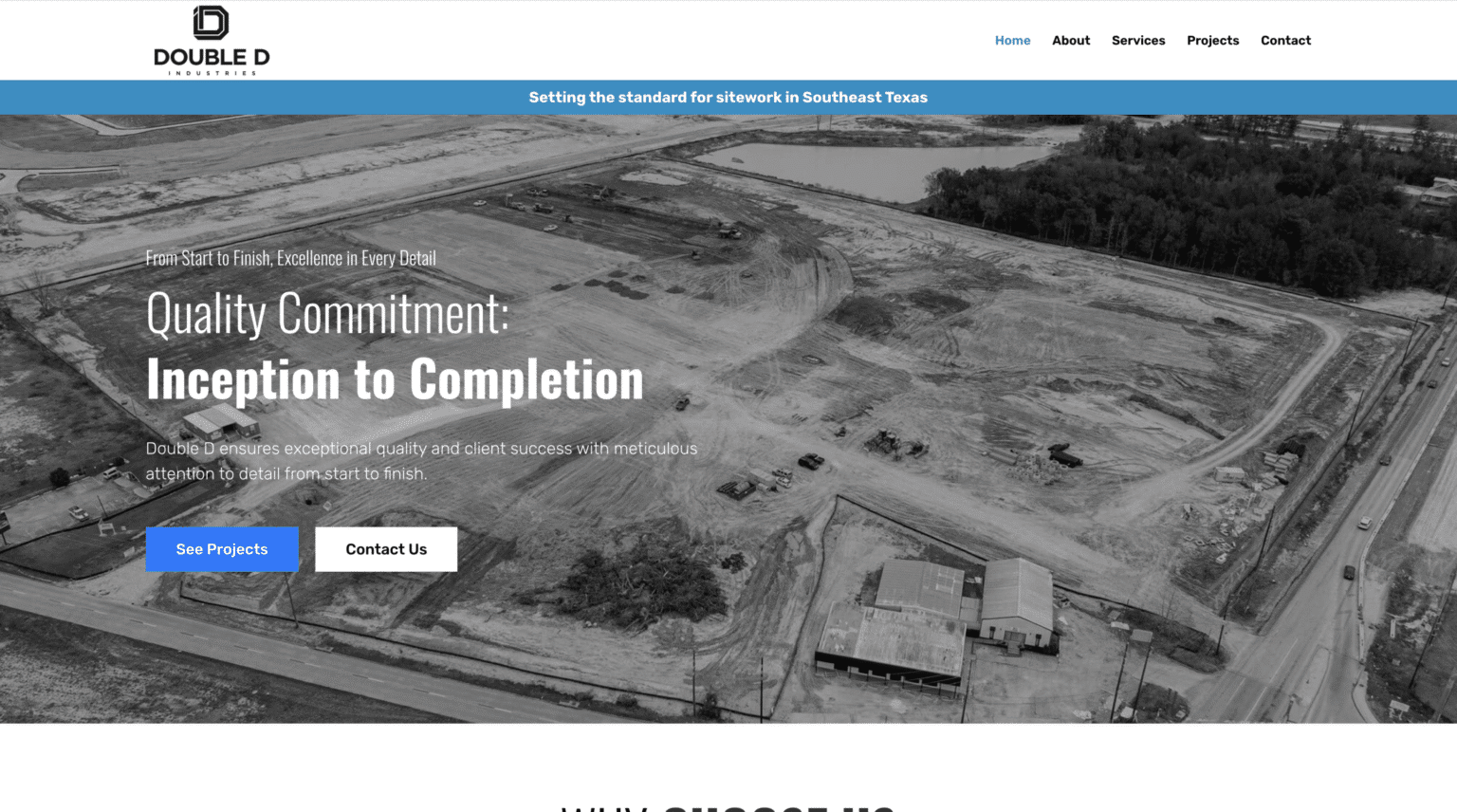
This sounds almost too basic, but basics are where many contractor sites fail.
I would rather see a simple, current, mobile-friendly site with clear contact details than an elaborate site packed with clutter and outdated information. Homeowners are not grading your technical ambition. They are deciding whether to trust you enough to reach out.
Signs you need a contractor website redesign now
Some businesses do not need a brand-new website option. They need to fix the one they already have.
The clearest warning signs tend to be practical, not aesthetic:
- The site has outdated information, old offers, or inaccurate details.
- It performs poorly on mobile devices.
- Contact information is hard to find.
- Visitors struggle to navigate it.
- It does not support the actions you want customers to take.
Those issues erode trust fast. If a homeowner cannot find your phone number quickly, or if your site feels neglected, they may assume the business is hard to deal with too. That may be unfair, but it is how people judge service companies online.
A contractor website redesign can solve those problems without turning into a vanity project. The right redesign sharpens the path from visit to inquiry.
Cost questions every owner should ask first
When owners ask how much does a contractor website cost, I usually suggest changing the question slightly. Ask what you need the website to do, what level of support you want, and how much time you are willing to spend managing it.
Those answers shape the price.
A low-cost DIY path may be enough if your needs are simple and you will maintain the site yourself. A freelancer may be worth it if you want a better finished product without a large agency budget. An agency may justify the investment if the project is complex. A managed service may be the most sensible option if you value convenience, support, and bundled maintenance.
The mistake is shopping by headline price alone. The better approach is to weigh total effort, total support, and total business value.
Picking the best option for your business, not someone else’s
The best website option is usually the one that matches your stage of business and your working style.
A small operation that needs a credible online presence fast may do just fine with a builder. A growing company that wants polish but not complexity may benefit from a freelancer. A business with custom needs may require an agency. An owner who wants the site handled from design through ongoing upkeep may be happiest with a managed solution.
That logic applies beyond pool screen enclosure website design too. The same framework works for concrete coating website design, epoxy flooring website design, dock builder website design, mold remediation website design, home remodeling website design, and flooring contractor website design. Different trades have different visual needs and customer concerns, but the buying logic is remarkably consistent. People want clarity, trust, and an easy way to take the next step.
If your site does that well, it is doing its job.
If it does not, the answer is not always a bigger budget. Sometimes it is simply a better fit.